Renovation Contractor Secrets: How to Achieve a Stress-Free Remodeling Process
Navigating a home renovation can be challenging. Residents often face unforeseen obstacles that can create difficulties. Picking the right home improvement contractor is essential for preventing frequent mistakes. Transparent communication and proper discussion can make a substantial change. Yet, many miss essential steps that can lead to setbacks and complications. Recognizing these secrets can help simplify the process and ensure a successful outcome. How can homeowners best prepare for these challenges?
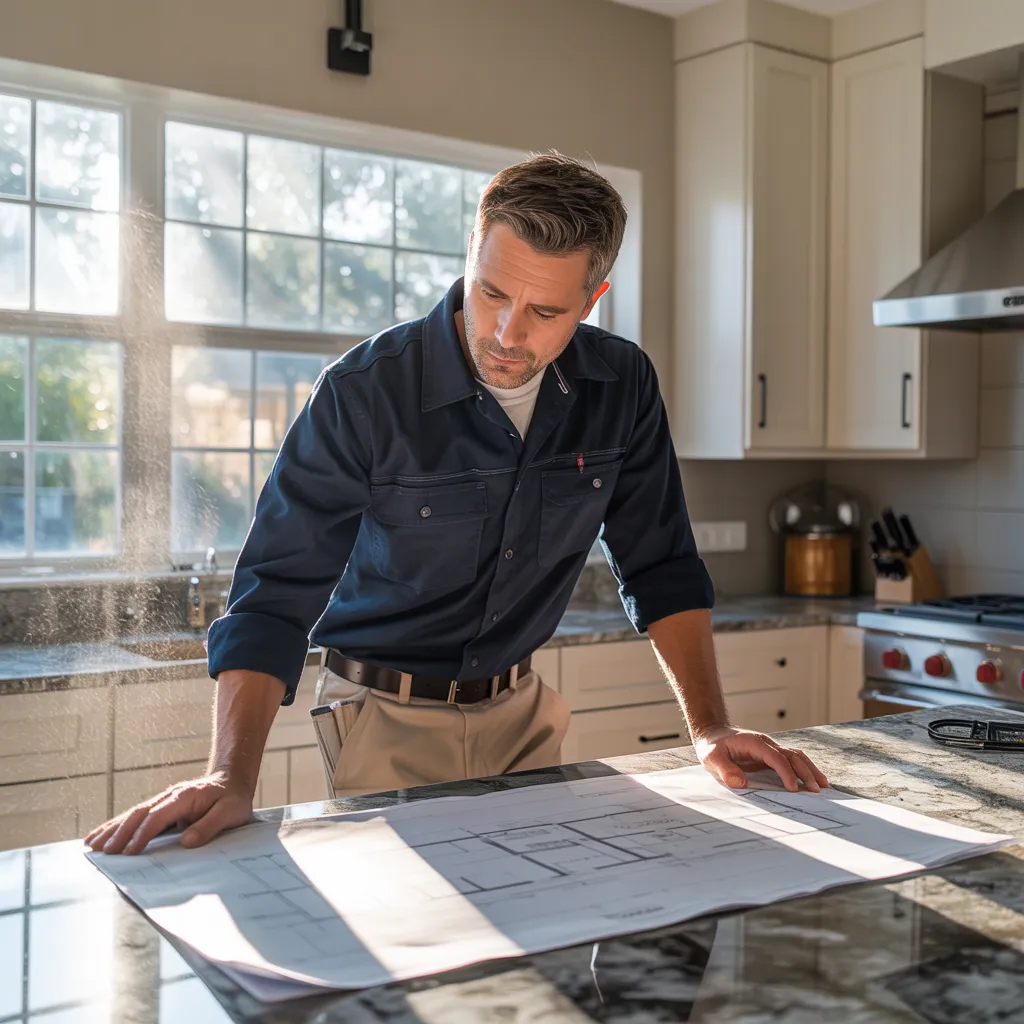
Exploring the Role of a Remodeling Contractor
A home improvement contractor manages the complex process of home remodeling projects, making sure projects progress efficiently from start to finish. This professional serves as the central figure in coordinating various tasks, from initial planning to the completion of the project. They demonstrate a deep understanding of construction practices, building materials, and local compliance requirements, which empowers them to form well-reasoned judgments that affect the results of each project.
The contractor is responsible for supervising subcontractors, planning work timelines, and controlling the budget. They additionally function as a bridge between clients and tradespeople, addressing concerns and providing updates throughout the renovation process. Strong communication is critical, as it ensures the client's vision aligns with practical implementation. Through managing timelines and maintaining quality, the remodeling contractor reduces interruptions and improves overall productivity. In the end, their skills and guidance are instrumental in bringing a client's renovation vision to life while maintaining a focus on safety and compliance.
How to Set Clear Expectations for Your Project
Establishing clear expectations is critical for the success of any remodeling project. Homeowners should begin by defining their goals and desired outcomes, guaranteeing that everyone involved understands the extent of the work. Detailed project descriptions help prevent misunderstandings later on. Creating a reasonable budget is also a key consideration; it ought to account for possible unexpected costs.
Homeowners need to convey their project timelines, covering both start and end dates, which helps align contractor schedules. Discussing the types of materials to be used and their availability can help define the project's scope more clearly. Scheduled updates can help resolve issues in a timely manner, fostering a spirit of teamwork and partnership.
Ultimately, keeping a written record of all agreements and decisions can provide a reference point throughout the project, reducing conflicts. By setting these clear expectations, residents can promote a well-organized and effective renovation process, guaranteeing that the completed project reflects their goals.
The Role of Effective Communication
Effective communication serves as a cornerstone for any thriving remodeling endeavor, making certain that homeowners and contractors remain aligned from start to finish. It encourages openness, permitting everyone involved to communicate their needs, ideas, and concerns without hesitation. When dialogue remains clear and steady, confusion can be reduced, which ultimately helps avoid costly delays and rework.
Contractors can take advantage of regular updates, helping them to adapt schedules and resources accordingly. Homeowners, in return, find comfort via regular check-ins, remaining more engaged and up to date. Strong communication further builds trust, a critical component for a productive and collaborative relationship.
Utilizing different communication channels, such as phone calls, in-person meetings, and emails, helps accommodate diverse preferences and make certain that important details is shared without delay. In the end, prioritizing effective communication not only improves the renovation process but also helps in achieving the desired outcome smoothly and successfully.
Critical Questions to Consider When Hiring the Right Contractor?
How can homeowners guarantee they select a reliable remodeling contractor? To ensure they are making the right selection, they should commence by raising important inquiries. Homeowners are advised to question the contractor regarding their experience and proficiency in targeted remodeling work, verifying that the professional holds the appropriate competencies for the job being considered. It is furthermore critical to seek out references and portfolio examples of completed work to evaluate both quality and trustworthiness.
Homeowners should clarify the licensing and insurance details of the contractor, verifying their adherence to local rules and standards. Furthermore, reviewing the schedule and availability for the project assists in establishing reasonable expectations. Inquiring about any subcontractors and their credentials can further highlight the standard of professionalism that will be maintained throughout the work.
In conclusion, property owners should seek a well-defined payment schedule and ask about guarantees covering both materials and labor. By posing these questions, property owners can more effectively evaluate prospective contractors and make an informed decision about the ideal contractor for their renovation needs.
Examining Contractor Proposals
When assessing contractor bids, it is crucial to compare pricing structures to ensure budget alignment. Furthermore, evaluating project timelines helps in evaluating the practicality of each contractor's approach. This systematic approach supports making informed decisions that can greatly influence the remodeling endeavor.
Review Pricing Plans
Although comparing pricing structures can seem intimidating, it is essential for homeowners to thoroughly review contractor proposals to confirm they are getting the most value for their money. Contractors often propose a range of pricing arrangements, such as set pricing, hourly billing, or cost-plus agreements. Homeowners should assess not only the total costs but also what is included in each proposal. For instance, some quotes may cover materials and labor in detail, while others might list them separately, leading to unexpected expenses later. Moreover, examining payment structures and terms can highlight potential monetary risks. By understanding these nuances, homeowners can make informed decisions and select a contractor whose pricing structure aligns with their budget and project expectations.
Assess Project Timelines
Reviewing renovation timelines is vital for homeowners seeking clarity in contractor proposals, as postponements can significantly affect costs and anticipated outcomes. A careful examination of recommended timeframes allows homeowners to identify likely obstacles and guarantee that contractors have realistic schedules. Homeowners are encouraged to evaluate the projected beginning and end dates across various estimates, paying attention to the particular segments of the renovation. It is advisable to inquire about the contractor's strategy for handling unexpected setbacks, such as environmental factors or logistical challenges. Transparent dialogue about project benchmarks can foster accountability and transparency. By grasping the projected timeframe, homeowners can better align their expectations and prepare for any adjustments needed throughout the renovation process, contributing to a more successful project overall.
How to Maintain Your Renovation Schedule
Remaining on schedule during a renovation can greatly impact the general outcome of the project. To sustain progress, open communication between the homeowner and contractor is vital. Creating a comprehensive timeline with specific milestones helps everyone remain responsible. Frequent updates can address any potential delays early on, ensuring that problems are handled quickly.
Moreover, planning for unforeseen obstacles, such as supply chain disruptions or weather-related setbacks, enables a more adaptable schedule. It is also important for homeowners to ensure that choices concerning material selections and design decisions are determined ahead of time to prevent last-minute changes that may disrupt progress.
Finally, choosing a trustworthy contractor with a proven track see more record can significantly improve the chances of remaining on track. A professionally managed team, equipped with the proper equipment, will coordinate work seamlessly, decreasing idle time and ensuring the project stays on schedule. Thorough preparation and anticipatory supervision are critical factors in achieving a timely renovation completion.
Common Renovation Pitfalls With Contractors
Successful remodeling projects necessitate not only proper time management but also an awareness of possible obstacles that can emerge when working with contractors. One prevalent problem is a lack of clear communication, which can lead to confusion regarding budgets, project scope, and timelines. It is imperative for homeowners to set well-defined expectations and keep communication channels open throughout the remodeling project.
Another frequent mistake is failing to account for costs. Homeowners frequently fail to consider supplementary expenditures such as unexpected repairs, materials, or required permits, which can strain budgets. Moreover, the choice of contractor is critically important; working with unlicensed or inexperienced professionals can result in subpar work or legal complications.
Finally, ignoring references and feedback can end up with the wrong contractors being hired. Property owners ought to dedicate time to researching and screening potential candidates to steer clear of setbacks and frustration. By being aware of these missteps, homeowners can safeguard their renovation projects and secure a smoother experience.
Frequently Asked Questions
What Should I Do if My Contractor Misses a Deadline?
If a contractor misses a deadline, the homeowner is advised to make direct contact, voicing their concerns and requesting an explanation. Record the discussion, check the agreement for specific terms, and evaluate the possibility of creating a new timeframe or pursuing other remedies as required.
How Should I Deal with Unforeseen Costs During the Renovation?
To handle unforeseen expenses throughout the renovation process, one should review the contract, maintain open communication with the renovation professional, consider alternative options, and preserve a backup budget. This preventive method helps minimize stress and promotes a smoother renovation process.
Which Permits Are Required for My Remodeling Project?
To identify the needed approvals for a renovation project, you should review municipal building requirements. Typically, approvals may consist of electrical, structural, plumbing, or zoning permits, according to the project's extent and regional building requirements.
Can I Continue Living in My Home While the Renovation Takes Place?
Homeowners can frequently remain in their homes throughout renovations, but this largely depends on the extent of the project. Factors like noise, dust, and reduced accessibility may pose challenges, so thorough planning and open communication with your contractors are crucial.
How Should I Deal With Disagreements With My Contractor?
To address conflicts with a contractor, one should articulate concerns directly, listen to their perspective, seek compromise, document discussions, and, should the need arise, pursue mediation to achieve a favorable outcome for everyone involved.